The Science of Ageing: How Eyelid Surgery Refreshes Your Natural Look
Blog
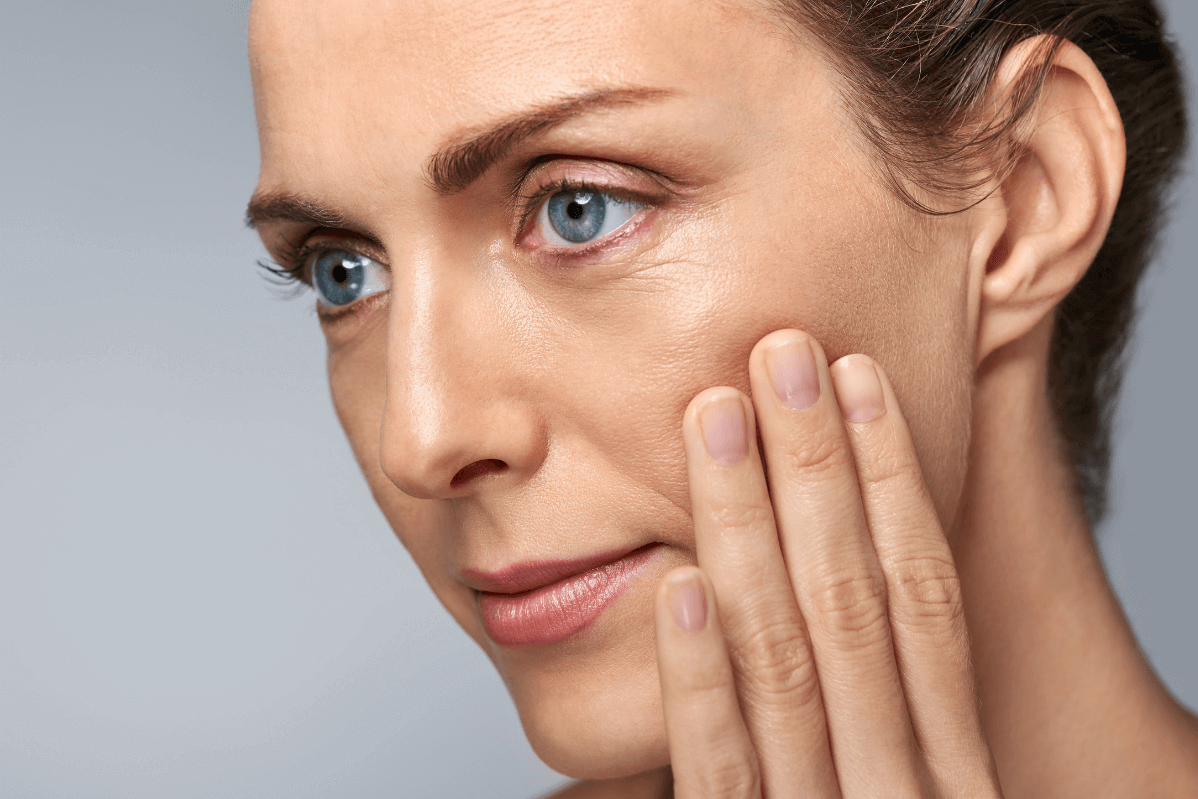
The human face is a complex landscape of muscle, fat, and skin, with the periorbital area—the region surrounding the eyes—being perhaps the most delicate. It is often the first area to show significant signs of ageing, sometimes appearing decades before other facial changes become prominent. Understanding the biological mechanisms behind these changes is essential for those in Belgravia and Chelsea who are seeking a rejuvenated, yet entirely natural, appearance.
Rather than merely “changing” one’s appearance, modern blepharoplasty focuses on restoring the underlying structural integrity of the eyelids to achieve a refreshed and vibrant look.
The Biological Process: Why the Eyes Age First
The skin around the eyes is uniquely thin, often measuring less than one millimetre in thickness. This makes it particularly susceptible to the effects of time, environmental stressors, and gravity. Several physiological factors contribute to the “tired” look often associated with ageing:
- Loss of Elasticity: As collagen and elastin production diminish, the skin loses its ability to “snap back,” leading to fine lines and sagging.
- Muscle Weakness: The orbicularis oculi muscle, which supports the eyelid, may weaken over time. This can cause the upper lids to droop (ptosis) or the lower lids to sag.
- Fat Displacement: The protective fat pads surrounding the eye are held in place by a thin membrane called the orbital septum. When this membrane weakens, fat can protrude, creating the appearance of “bags” under the eyes or puffiness in the upper lids.
Restoring Structure, Not Just Aesthetics
The science of a successful blepharoplasty lies in addressing these specific anatomical changes. The procedure is highly bespoke, with techniques adapted to the patient’s unique facial structure.
In an upper blepharoplasty, the surgeon may remove a precise amount of redundant skin and, if necessary, reposition underlying fat to restore the natural crease of the eyelid. This may help to open the eye area, creating a more alert and youthful expression without altering the patient’s fundamental features.
For the lower eyelids, the focus is often on smoothing the transition between the eye and the cheek. Rather than simply removing fat—which can sometimes result in a hollowed or “surgical” look—modern techniques may involve fat repositioning. This may help to fill the “tear trough” area, creating a seamless, youthful contour that reflects light more effectively.
The Art of the Subtle Refresh
In sophisticated London circles, the goal of aesthetic surgery is rarely a drastic transformation. Instead, the preference is for a result that prompts observers to comment on how “well-rested” or “refreshed” a person looks, rather than identifying that a surgical procedure has taken place.
Achieving this level of subtlety requires a deep understanding of facial harmony. By focusing on the science of ageing—restoring what has been lost or displaced—blepharoplasty can provide a significant boost in confidence while maintaining the natural character and heritage of the face.
Long-Term Vitality and Maintenance
While eyelid surgery effectively addresses the structural signs of ageing, the science of skin health continues post-procedure. Patients in London are often encouraged to support their surgical results with medical-grade skincare and sun protection to maintain the quality of the delicate periorbital skin.
By addressing the root causes of a tired appearance through clinical expertise, individuals can enjoy a look that feels authentic to who they are, simply at their most refreshed.
Schedule Your Clinical Consultation
For residents of Belgravia and Chelsea, understanding the unique anatomy of your eyes is the first step toward a successful refresh. To discuss the scientific approach to eyelid rejuvenation and receive a personalised assessment, please contact the clinic to book your professional consultation.