The Facelift After Weight Loss: Restoring Confidence in a Changing Landscape
Blog
In recent years, the approach to weight loss has changed dramatically. Medications like Ozempic, Mounjaro, and other GLP-1 receptor agonists have revolutionised the way individuals achieve significant, sustained weight loss — often where diet and exercise alone have struggled. But with these transformative changes in body composition can come unexpected and sometimes emotionally challenging side effects, particularly in the face.
One of the most common concerns patients share after substantial weight loss is facial volume loss and skin laxity — leading to a prematurely aged or “deflated” appearance. This is where facelift surgery can offer not just cosmetic benefits, but a meaningful restoration of self-image and confidence.
Why Does Weight Loss Affect the Face So Much?
While most people associate fat loss with the body, the face is no exception. Subcutaneous fat plays a crucial role in maintaining facial volume, contour, and youthful definition. When significant weight loss occurs — whether through lifestyle changes, bariatric surgery, or medications like Ozempic or Mounjaro — the fat pads in the face can diminish or shift. For many, especially those who have lost 30, 50, or even 100+ pounds, the result can be noticeable changes in facial structure, including:
- Hollow cheeks or temples
- Sagging skin along the jawline (jowling)
- Deepened nasolabial folds
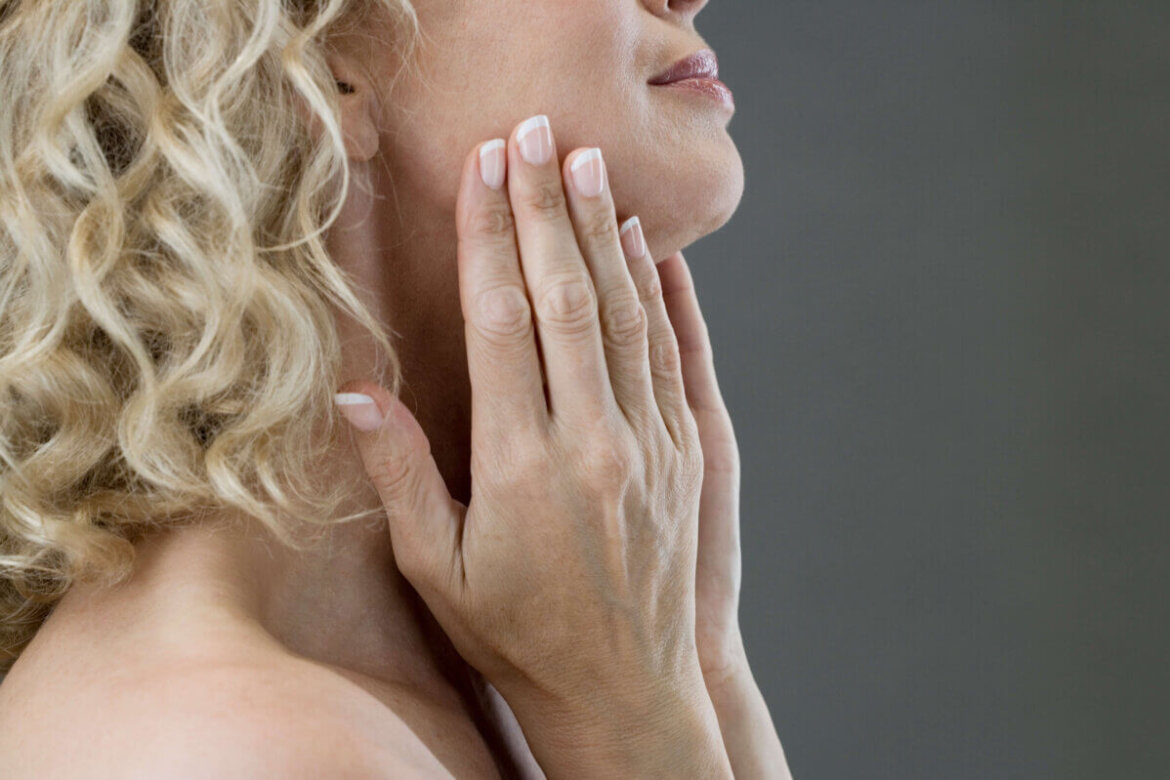
- A loose or “sunken” appearance
This phenomenon has even earned a nickname online: “Ozempic face.” While the name may be new, the issue is not — facial volume loss has always been a natural consequence of ageing and/or significant weight reduction.
How a Facelift Can Help
A facelift, or rhytidectomy, is a surgical procedure that lifts and tightens the facial tissues, often restoring a more youthful, rested appearance. In the context of post-weight loss:
- It repositions sagging tissues caused by lost volume
- It tightens loose skin, especially in the lower face and neck
- It can be combined with fat grafting or dermal fillers to restore volume in key areas like the cheeks or under-eyes
- It helps create a balanced appearance that matches the patient’s new body shape
The result? A natural, refreshed look that doesn’t betray the hard work and commitment that went into the weight loss journey.
Is a Facelift Right After Weight Loss a Good Idea?
If you’ve recently lost a significant amount of weight — whether through medication, surgery, or lifestyle changes — and are noticing facial sagging or deflation, a facelift may be a good option. Ideal candidates typically:
- Are at or near their goal weight
- Have maintained a stable weight for at least 6 months
- Are in good general health
- Have realistic expectations about results and recovery
It’s important to allow the body time to adjust to your new weight before pursuing surgery. Skin elasticity can continue to improve in the months following major weight loss, and this may influence the final surgical plan.
A Word on Non-Surgical Options
While a facelift remains the gold standard for significant facial sagging, not everyone is ready for surgery. Non-surgical treatments like ultrasound skin tightening, injectables, and radiofrequency therapies can provide modest improvements and may be appropriate for younger patients or those with mild laxity.
That said, these treatments typically do not address the deeper structural changes that a surgical facelift can correct — and for those with advanced signs of ageing or weight-related volume loss, surgery may ultimately be the most effective and cost-efficient choice.
A Personal, Balanced Approach
Dr Jonathan Dunne recognises that every patient’s weight loss story is deeply personal. Whether your transformation was sparked by health goals, a life event, or one of the new medical therapies, we’re here to help you feel fully confident in your appearance.
Dr. Jonathan Dunne provides one-on-one consultations to evaluate your facial structure, concerns, and aesthetic goals. From there, he’ll recommend a personalised treatment plan designed to restore balance and definition, while complementing the changes you’ve achieved through weight loss.