-
What is upper blepharoplasty surgery?
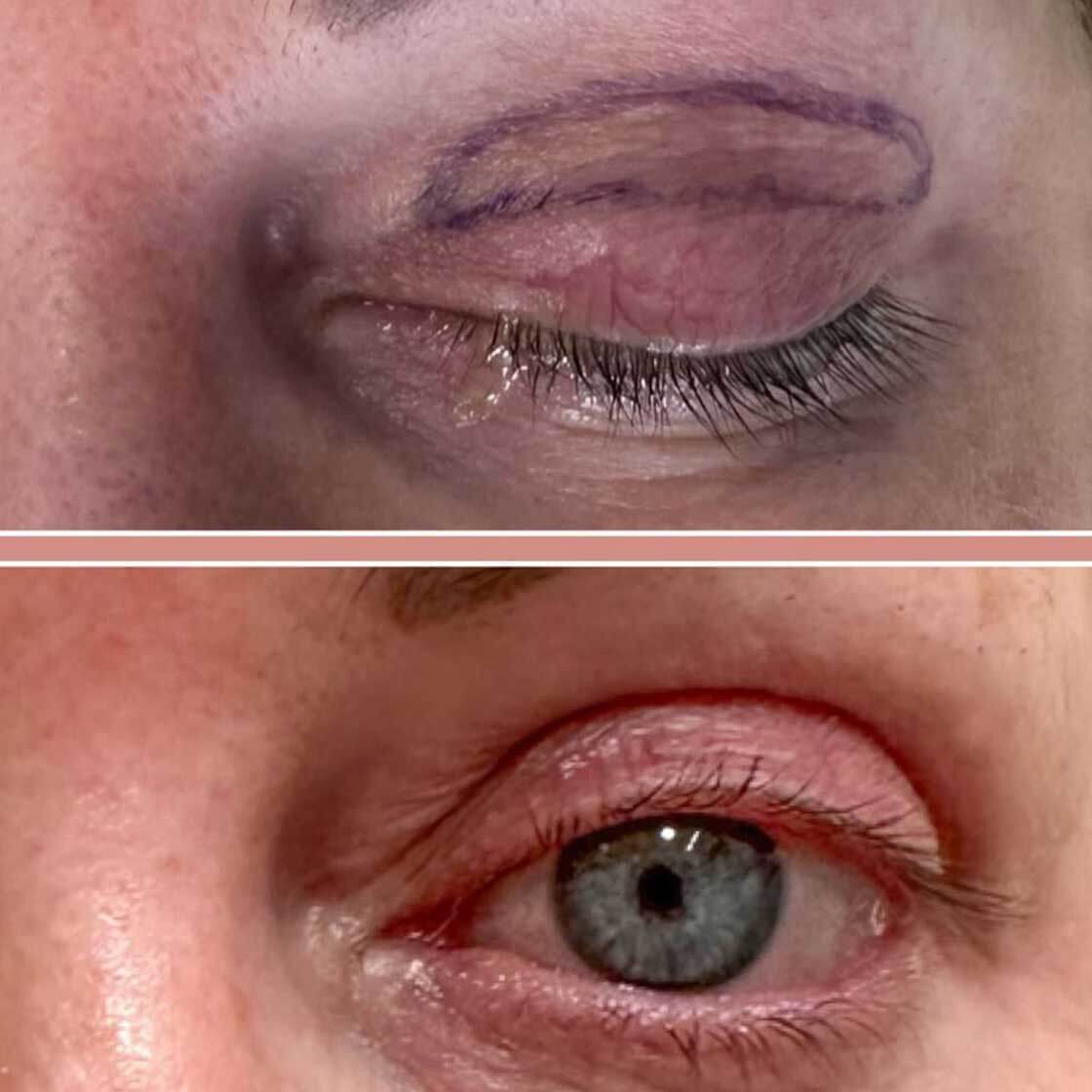
Upper blepharoplasty is a surgical procedure that rejuvenates the appearance of the upper eyelids. During this outpatient procedure excess skin is carefully removed from the upper eyelid area, and fat may need to be moved to fill hollowed areas or fat transfer performed to import fat to the area and reduce hollowing and tiredness. The surgery aims to address heavy eyelids, reduce puffiness and excess skin, and create a more youthful look around the eyes. It can also improve peripheral vision in cases where excess skin obstructs sight.
-
What is a good age for blepharoplasty?
There’s no single right age. Most people who have upper blepharoplasty are in their 40s or older, as that’s when excess or hooded eyelid skin tends to develop, but it isn’t a procedure defined by age. Some people come earlier, in their 30s, often when heavy or hooded lids run in the family and have been there from a younger age. Others have it much later and do very well. What matters more than your age is that you have the concern the surgery addresses, you’re in good general health, and you have realistic expectations about the result. Jonathan will talk all of this through at your consultation.
-
How long does blepharoplasty last?
Upper blepharoplasty results are long-lasting, and for most people they hold for many years, often a decade or more. The excess skin that’s removed doesn’t grow back, so the more open, refreshed look stays with you. Your eyes do keep ageing naturally, so the skin can gradually relax again over the years that follow, but most people are happy with their result for a long time and never need it repeated. If a small refinement is ever wanted later on, it’s usually straightforward.
-
How can a brow lift improve my upper blepharoplasty results?
A combination approach of upper blepharoplasty and a brow lift recognises the continuum of the upper upper eyelid and brow. By elevating a drooping brow alongside eyelid correction, Jonathan can achieve a more harmonious and youthful appearance and avoid residual heaviness at the lateral aspect of the eyelid. This combined technique not only improves visual field obstruction but also ensures a balanced, natural-looking outcome, preventing residual eyelid heaviness or in some cases a worsening appearance due to unrecognised drooping of the brow (compensated brow ptosis).
-
Who is upper blepharoplasty surgery suitable for?
Men and women with excess eyelid skin, hooded or heavy-looking eyes, and those with impaired peripheral vision due to overhanging eyelids can all benefit from this procedure to provide them with a refreshed appearance. Your suitability will be assessed when you visit Jonathan for your consultation.
-
Will blepharoplasty remove dark circles?
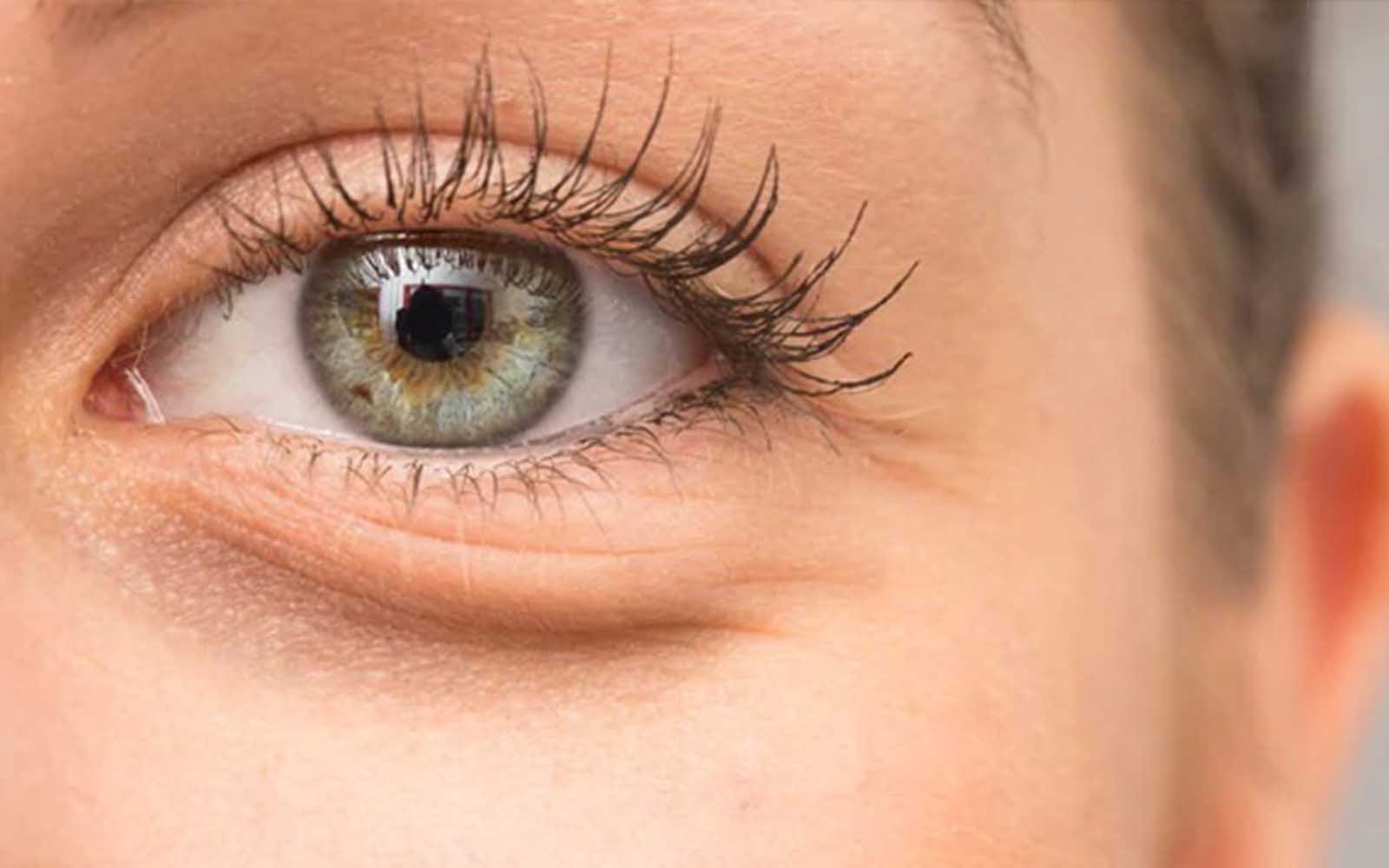
Not always, because it depends on what’s causing them. Dark circles have several causes, and blepharoplasty only addresses some of them. Where the darkness comes from puffiness, eye bags or a shadow cast by loose lower eyelid skin, surgery can improve the look noticeably by smoothing that area. Where it comes from pigmentation in the skin or from natural hollowing and thin under-eye skin, blepharoplasty won’t remove it, and a non-surgical option such as tear trough treatment is usually a better fit. At your consultation, Jonathan can look at what’s causing yours and advise whether surgery, a non-surgical treatment, or a combination would give the best result.
-
What happens at the first appointment?
A comprehensive evaluation by Jonathan Dunne will identify your individual anatomical variations, assess your skin elasticity, and determine the extent of tissue removal needed. This will help him tailor the procedure to your unique facial features and aesthetic goals. Also, by gaining an understanding of your medical history and expectations, Jonathan can better ensure optimal results in enhancing both your appearance and the functionality of your upper eyelids, while minimising potential risks.
-
How long to recover from blepharoplasty?
Recovery is usually quick. Bruising and swelling are at their most noticeable in the first few days, then settle steadily. Any non-dissolvable stitches come out around 5 to 8 days in, and most people feel ready to be back in company at about 10 days, which is when makeup can usually go back on. By two weeks, most of the swelling has gone, and many people are back to normal daily life, though it’s best to hold off on strenuous exercise and heavy lifting until around the three-week mark. The eyes keep refining over the following weeks, with the final settled result coming through over several months.
-
Will scars be visible?
In most cases, no. For upper blepharoplasty, the incision is placed in the natural crease of the eyelid, so once healed, the scar sits hidden within the fold and is very hard to spot. The wound is closed with fine sutures and the edges carefully aligned to keep any mark as discreet as possible. As the scar matures over the following months, it continues to fade and settle into the natural lines of the eyelid. Keeping the area clean, following your aftercare, and protecting the skin from the sun all help it heal as neatly as possible.
-
What to expect after blepharoplasty surgery?
In the early days it’s normal to have some swelling, bruising and a feeling of tightness around the eyes. Some people also notice dry eyes, mild watering or a little numbness, and prescribed eye drops or ointment help with that. Your vision can be slightly blurred at first from the ointment or swelling, which settles quickly. You’ll go home the same day, and you’ll be given clear aftercare instructions to follow. Resting with your head elevated, using cool compresses and taking it easy for the first week all help the swelling go down and the eyes settle. From there the eye area keeps refining as it heals, with the final result coming through over the following months.
-
How painful is upper blepharoplasty surgery?
During the surgery, you’ll typically have local anaesthesia, ensuring you feel no pain. Post-operatively, discomfort can be mild to moderate, often described as a feeling of tightness or bruising. Many patients manage pain effectively with over-the-counter medications and cold compresses. The discomfort should subside significantly within a few days.
-
How long does upper Blepharoplasty surgery take?
Upper blepharoplasty takes about 45-60 minutes to complete. However, the exact duration can vary depending on the complexity of the case and whether it’s combined with other procedures.
-
Who is blepharoplasty procedure suitable for?
It suits men and women who are bothered by the look or feel of heavy upper eyelids. You may be a good candidate if you have:
- Excess or hooded skin on the upper eyelids
- A heavy, aged or persistently tired look to the eyes
- Peripheral vision that’s affected by overhanging skin
- A wish to refresh your appearance, improve your sight, or both
Your suitability is confirmed when you see Jonathan for your consultation, where he assesses your eyelids and brow together.
-
What results can I expect from this procedure?
We would expect you to experience a more youthful, refreshed appearance with reduced heaviness, opening up of the eyes and a restored eyelid crease. Recovery usually involves 2 weeks of doing less activity while bruising and swelling settle, and at 4 weeks there should be little signs of surgery. The final results should be visible after 6-9 months.
Upper Blepharoplasty (Eyelid Surgery) in London
Face Aesthetic
Upper blepharoplasty, or an upper eyelid lift, corrects the heavy, hooded look that develops when excess skin gathers on the upper eyelids. If your eyes look tired when you feel anything but, or the skin has started to rest on your lashes and narrow what you can see, this is the procedure that addresses it. Jonathan Dunne removes the excess skin and, where volume has been lost, repositions or grafts fat to restore a natural eyelid crease. The result is a more open, rested appearance, and often clearer peripheral vision where hooding had been getting in the way.
At a Glance:
Price
From £3,800
Procedure time
45 to 60 minutes
Anaesthetic
Usually local, sometimes with sedation
Time off work
1 to 2 weeks for most people
Back to exercise
Around 2 to 3 weeks
Results
Swelling settles by 4 to 6 weeks, final result over 6 to 9 months
What happens during upper blepharoplasty surgery?
Often under local anaesthetic, the excess skin of the upper eyelid is carefully marked out and removed, opening up the eyes and restoring the natural eyelid crease. Upper blepharoplasty is often combined with fat transfer or fat transposition to replenish volume loss, which may have caused the eyes to have a hollowed and tired appearance or an A-frame deformity. By integrating these procedures, Jonathan can achieve natural-looking results that not only tighten the upper eyelid but also restore lost volume.
Is Jonathan Dunne a good choice for an upper blepharoplasty procedure?
Jonathan Dunne has a patient-focused approach and years of specialist experience. He combines surgical precision with an eye to deliver natural-looking results. His commitment to personalised care means you’ll receive tailored treatment and attentive follow-up.
Faqs | Upper Blepharoplasty (Eyelid Surgery) in London

1. Your Consultation
Jonathan will assess your eyelids and brow, and discuss your goals with you before explaining the procedure, potential risks, benefits, post-operative course and expected outcomes. You’ll have the opportunity to ask questions and express any concerns.
Book Consultation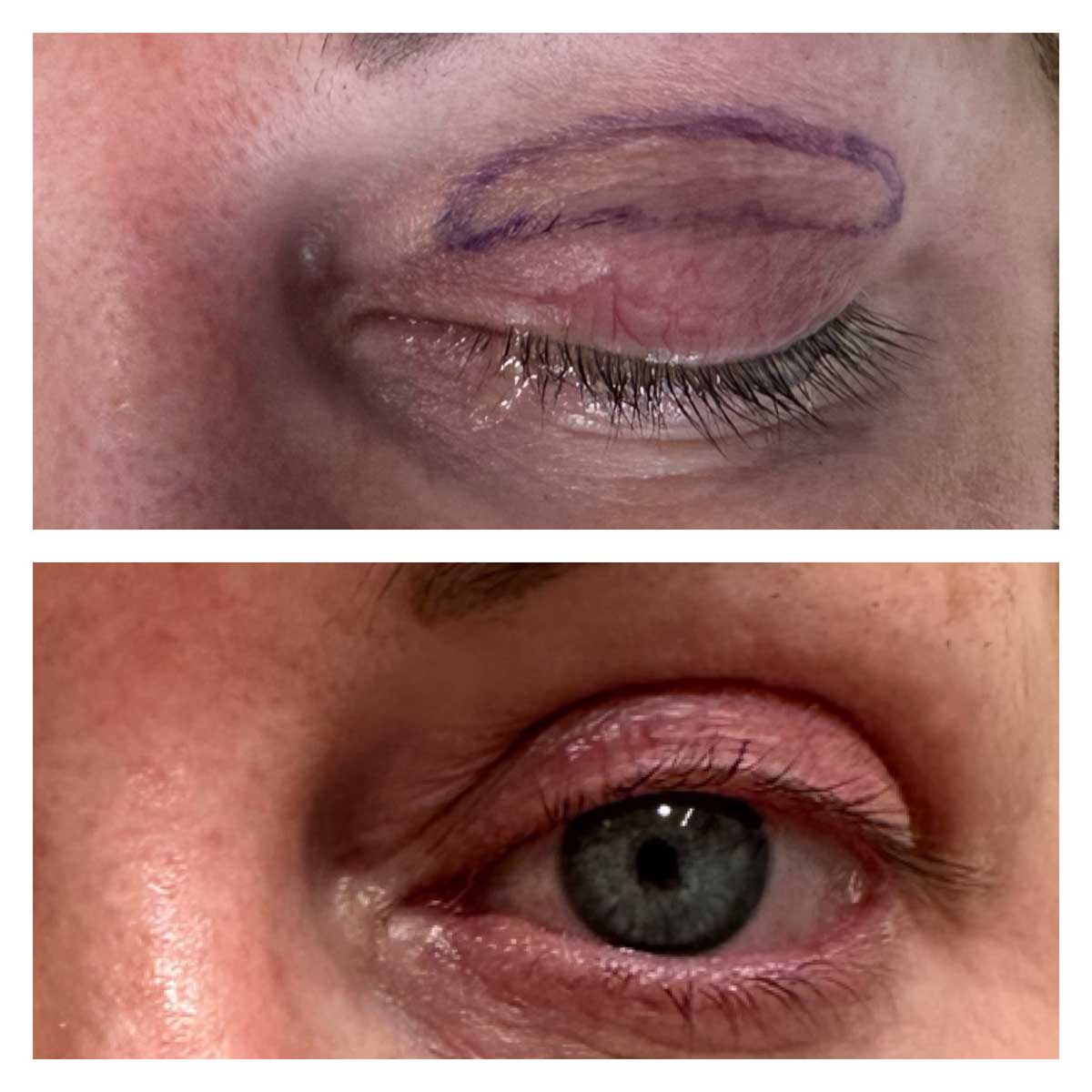
2. Your Treatment
After the anaesthesia is administered, Jonathan will make precise incisions along the eyelid’s natural crease, removing excess skin and potentially repositioning or adding fat. Careful reshaping of the eyelid contour follows, with meticulous attention to detail. Finally, the incisions are closed using sutures.
Book Consultation
3. Aftercare
Keep your head elevated, even while sleeping. Avoid strenuous activities and bending down for one week. Use any prescribed eye drops and ointments as directed. Don’t wear contact lenses for two weeks.
Book Consultation“Nice facility, especially the waiting room! Efficient service, and well-informed and professional medical intervention.”
Client Review