Your Guide to Blepharoplasty in the Holidays
Blog
The holiday season in Belgravia often brings a much-needed slowdown: fewer social obligations, scheduled time off from work, and a natural reason to stay indoors. For those considering blepharoplasty, or eyelid surgery, these quieter weeks offer the perfect opportunity to schedule the procedure and dedicate yourself fully to recovery.
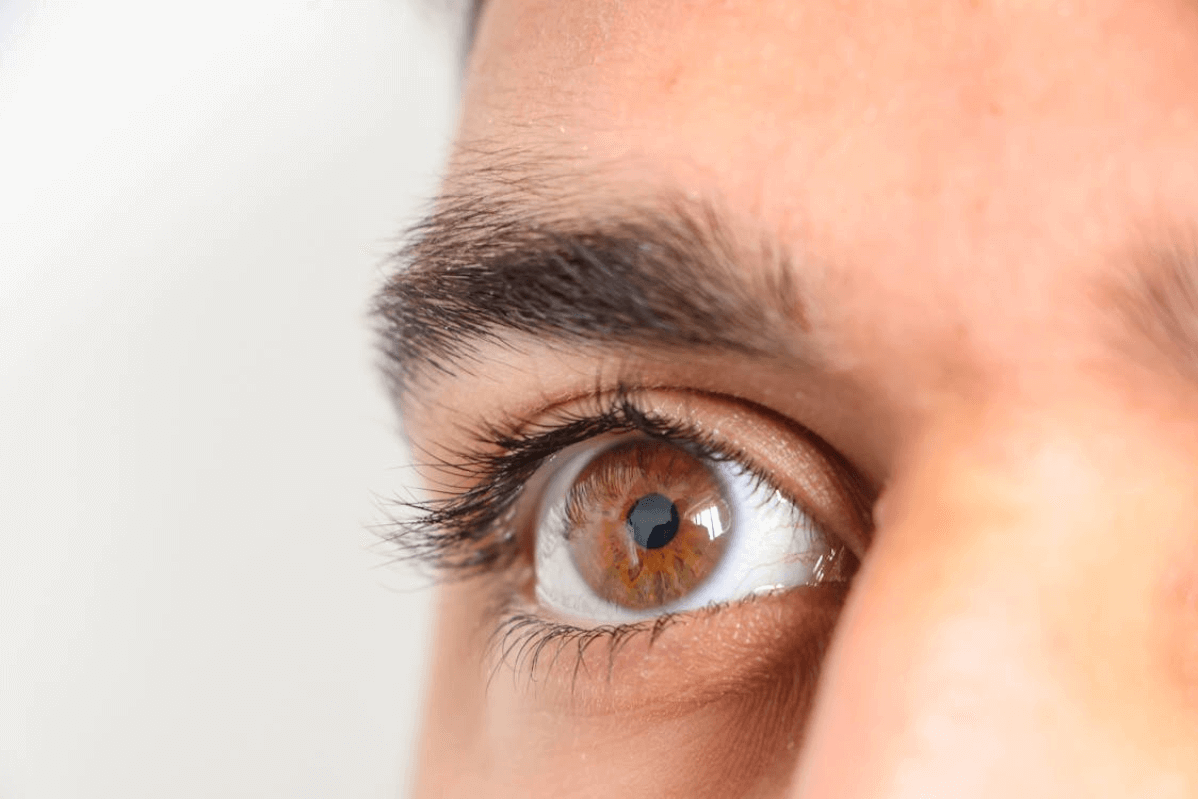
Blepharoplasty is a popular procedure that rejuvenates the eye area by removing excess skin, fat, or muscle from the upper or lower eyelids. If you are planning to achieve a brighter, more youthful look for the new year, here is your comprehensive guide to undergoing eyelid surgery during the holidays.
The Holiday Advantage: Optimal Downtime
The most significant benefit of scheduling your surgery in December is the extended, built-in downtime.
- Work Leave: Many professionals already have vacation days or office closures scheduled between Christmas and New Year’s, providing a private, uninterrupted recovery window without having to dip into valuable annual leave.
- Reduced Social Pressure: Social gatherings tend to be smaller, more intimate, or easily avoided entirely. You can recover without the pressure of having to explain bruising or swelling to a large crowd.
- Winter Comforts: The cooler, darker days of a London winter are naturally conducive to staying indoors and minimising sun exposure, which is critical for incision healing.
What to Expect from the Procedure
Blepharoplasty is typically an outpatient procedure performed under local anaesthesia with sedation.
- Upper Eyelid Surgery: Focuses on removing excess, sagging skin that can make you look tired or even impair vision. The resulting incision is hidden within the natural crease of the upper eyelid.
- Lower Eyelid Surgery: Addresses puffiness, bags, and fine wrinkles beneath the eyes, often involving the removal or repositioning of fat. Incisions can be hidden just below the lower lash line or inside the eyelid (transconjunctival).
- Duration: The surgery generally takes between one to three hours, depending on whether both upper and lower lids are being treated.
Key Recovery Tips for a December Surgery
While recovery varies, the first two weeks are when the most noticeable swelling and bruising will subside.
- Strict Icing Protocol: Use cold compresses (as advised by your surgeon) diligently for the first 48 hours to minimise swelling and accelerate healing.
- Sleep Position: Keep your head elevated with extra pillows for the first week. This helps to reduce fluid retention around the eyes.
- Protect Your Eyes: Avoid strenuous activities, heavy lifting, and anything that increases blood pressure for at least two weeks. Your surgeon will also advise against wearing contact lenses for a period.
- Avoid Screens: Limit time spent on screens (phones, computers, television) during the initial healing phase, as this can cause eye strain and dryness. This quiet time is perfect for listening to podcasts or audiobooks!
Contact us today to schedule a consultation in Belgravia, Chelsea and London.